
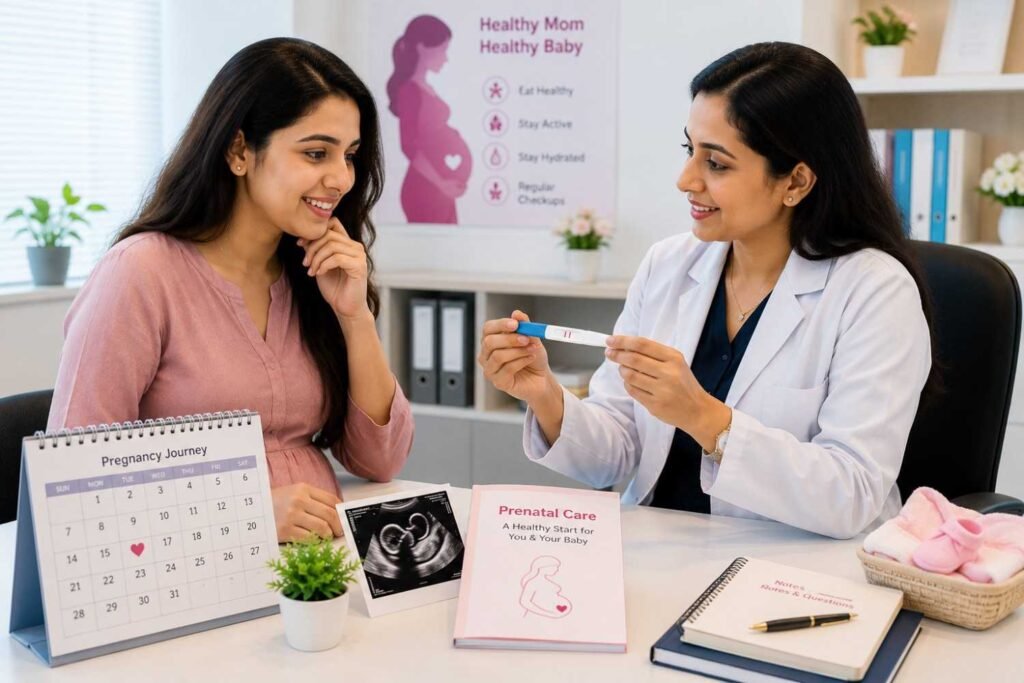

Pregnancy is one of the most exciting journeys in a woman’s life, but the earliest symptoms can sometimes be difficult to recognize. Many early pregnancy signs resemble premenstrual symptoms, making it easy to overlook them. While some women notice changes within a few weeks of conception, others may not experience noticeable symptoms until later.
Recognizing the early signs of pregnancy allows you to seek timely medical advice, begin prenatal care, and make healthy lifestyle choices that support both you and your baby.
Understanding Early Pregnancy Symptoms
After fertilization, your body begins producing pregnancy hormones such as human chorionic gonadotropin (hCG), progesterone, and estrogen. These hormones prepare your body to support your growing baby and are responsible for many early pregnancy symptoms.
Every pregnancy is unique. Some women experience several symptoms, while others have very mild signs. The only way to confirm pregnancy is through a pregnancy test and consultation with a gynecologist.
10 Early Signs of Pregnancy
1. Missed Period
A missed menstrual period is often the first and most recognizable sign of pregnancy, especially for women with regular cycles.
However, delayed periods can also occur due to stress, hormonal imbalance, thyroid disorders, or excessive exercise. If your period is late and you’ve had unprotected intercourse, consider taking a pregnancy test.
2. Morning Sickness
Morning sickness usually begins between the 4th and 6th week of pregnancy.
Common symptoms include:
- Nausea
- Vomiting
- Food aversions
- Increased sensitivity to smells
Despite its name, morning sickness can occur at any time of the day.
3. Breast Tenderness
Hormonal changes often make the breasts:
- Swollen
- Tender
- Heavier
- Sensitive to touch
The nipples and areola may also become darker during early pregnancy.
4. Fatigue
Feeling unusually tired is common during the first trimester.
Higher progesterone levels and increased blood production require extra energy, leaving many women feeling exhausted even after adequate sleep.
5. Frequent Urination
Hormonal changes and increased blood flow cause the kidneys to work harder, resulting in more frequent urination, even during the early weeks of pregnancy.
6. Implantation Bleeding
Some women experience light spotting when the fertilized egg attaches to the uterus.
Implantation bleeding is usually:
- Light pink or brown
- Short-lasting
- Much lighter than a regular period
Not every woman experiences implantation bleeding.
7. Food Cravings or Food Aversions
Pregnancy hormones may suddenly change your appetite.
You might:
- Crave certain foods
- Dislike foods you previously enjoyed
- Become more sensitive to food smells
These changes are completely normal during early pregnancy.
8. Mood Swings
Hormonal fluctuations can affect your emotions, leading to:
- Irritability
- Emotional sensitivity
- Anxiety
- Sudden mood changes
Support from family, proper rest, and stress management can help.
9. Mild Abdominal Cramping
Some women notice mild cramping as the uterus begins to expand.
Unlike severe menstrual cramps, pregnancy-related cramps are usually mild and temporary. However, severe pain or heavy bleeding requires immediate medical attention.
10. Bloating
Increased progesterone slows digestion, causing bloating and a feeling of fullness.
Eating smaller meals, staying hydrated, and consuming fiber-rich foods can help reduce discomfort.
Can Pregnancy Symptoms Appear Before a Missed Period?
Yes. Some women notice symptoms even before their expected menstrual period.
Early signs may include:
- Breast tenderness
- Mild cramping
- Implantation bleeding
- Fatigue
- Mood swings
- Bloating
- Sensitivity to smells
Since these symptoms are similar to PMS, a pregnancy test is necessary to confirm pregnancy.
When Should You Take a Pregnancy Test?
For the most accurate results:
- Take a home pregnancy test after your missed period.
- Use the first urine of the morning whenever possible.
- If the test is negative but your period still hasn’t started, repeat the test after 48–72 hours or consult a gynecologist.
A blood pregnancy test may detect pregnancy earlier than a home urine test.
Tips for a Healthy Early Pregnancy
Once pregnancy is confirmed, healthy habits become essential.
Eat a Balanced Diet
Include foods rich in:
- Folic acid
- Iron
- Calcium
- Protein
- Fruits
- Green leafy vegetables
- Whole grains
- Dairy products
Take Prenatal Vitamins
Your doctor may recommend:
- Folic acid
- Iron
- Calcium
- Vitamin D
Always take supplements only as prescribed.
Stay Hydrated
Drink 8–10 glasses of water daily.
Healthy hydration options include:
- Coconut water
- Lemon water
- Buttermilk
- Fresh fruit juices without added sugar
Get Adequate Rest
Aim for 7–9 hours of sleep every night and allow yourself time to rest when feeling tired.
Avoid Smoking and Alcohol
Smoking, alcohol, and recreational drugs can negatively affect your baby’s development and increase pregnancy-related risks.
Attend Regular Prenatal Check-ups
Routine antenatal visits help monitor your baby’s growth, detect complications early, and provide personalized pregnancy guidance.
When Should You Visit a Gynecologist?
Schedule your first prenatal appointment as soon as you receive a positive pregnancy test.
Seek immediate medical care if you experience:
- Heavy vaginal bleeding
- Severe abdominal pain
- Persistent vomiting
- High fever
- Severe dizziness
- Fainting
- Heavy pelvic pain
Early medical attention supports a healthier pregnancy for both mother and baby.
Frequently Asked Questions (FAQs)
1. What is the earliest sign of pregnancy?
A missed period is the most common early sign, although fatigue and breast tenderness may appear even earlier.
2. Can pregnancy symptoms appear before a missed period?
Yes. Some women notice symptoms within one to two weeks after conception.
3. Is implantation bleeding normal?
Yes. It is usually light spotting that lasts for a short time and is much lighter than a normal menstrual period.
4. When should I take a pregnancy test?
For the most reliable result, take a home pregnancy test after your missed period.
5. Can pregnancy symptoms be confused with PMS?
Yes. Many early pregnancy symptoms, such as bloating, fatigue, and mood swings, are similar to premenstrual symptoms.
6. What foods should I eat during early pregnancy?
Choose a balanced diet rich in fruits, vegetables, protein, dairy products, whole grains, folic acid, iron, and calcium.
7. When should I schedule my first pregnancy check-up?
You should visit a gynecologist soon after getting a positive pregnancy test.
8. When should I seek emergency medical care?
Seek immediate medical attention if you experience heavy bleeding, severe abdominal pain, fainting, persistent vomiting, or high fever.
Conclusion
Recognizing the early signs of pregnancy can help you begin your motherhood journey with confidence. While symptoms such as a missed period, morning sickness, breast tenderness, fatigue, and frequent urination are common, every woman’s pregnancy is different.
If you think you may be pregnant, confirm it with a pregnancy test and consult a qualified gynecologist as early as possible. Early prenatal care, proper nutrition, and regular medical check-ups are key to supporting a healthy pregnancy and giving your baby the best possible start in life.
Begin Your Pregnancy Journey with SPAW Hospital
At SPAW Hospital, Mohali, our experienced obstetricians and gynecologists provide comprehensive pregnancy care—from pregnancy confirmation and early prenatal check-ups to nutritional counseling, high-risk pregnancy management, and safe delivery services.
Whether you’re planning your family or have just discovered you’re pregnant, our dedicated team is here to support you with compassionate, personalized care at every stage.
Book your pregnancy consultation today and begin your motherhood journey with confidence.


