
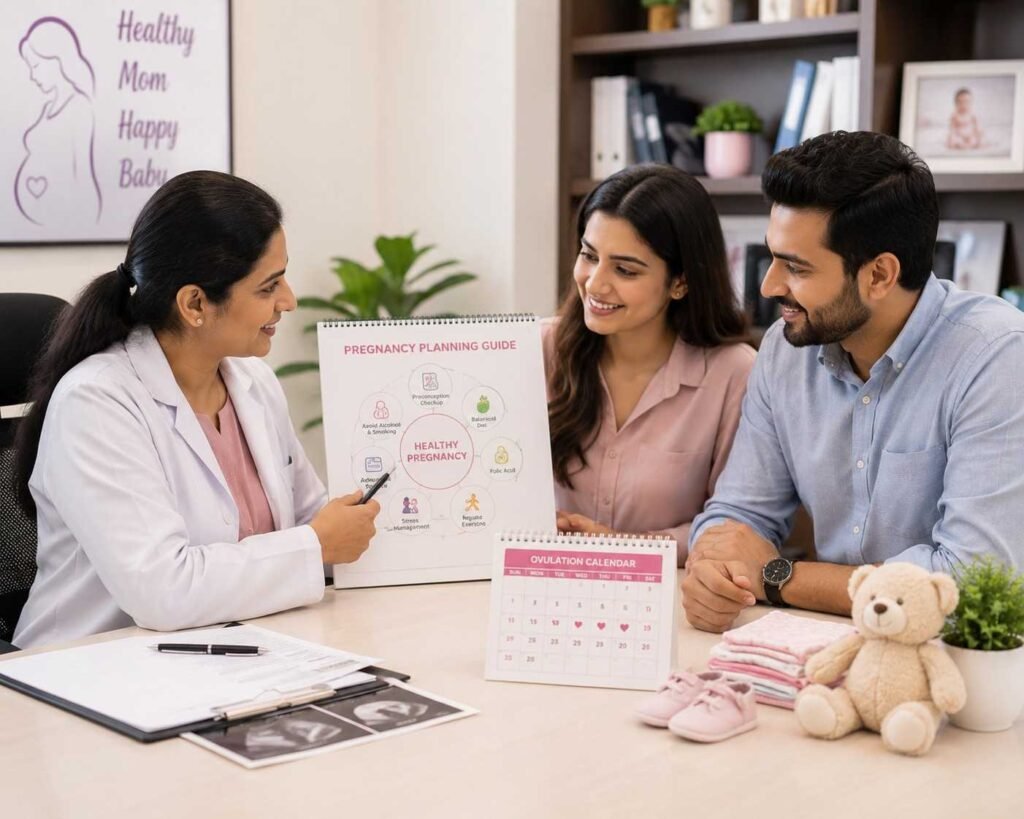

Planning a pregnancy is one of the most important decisions in a woman’s life. While many couples focus on financial stability, career goals, or personal readiness, one factor that significantly influences pregnancy is age.
Although women can conceive at different stages of life, fertility naturally changes over time. Understanding how age affects fertility, pregnancy outcomes, and maternal health can help couples make informed decisions and prepare for a healthy pregnancy.
The good news is that there is no “perfect” age that applies to everyone. Many women have healthy pregnancies in their 20s, 30s, and even later with proper medical care. However, knowing the benefits and potential challenges of each age group can help you plan with confidence.
In this blog, we’ll explain the best age to plan pregnancy, how fertility changes with age, and when you should seek expert advice from a gynecologist.
Why Does Age Matter When Planning Pregnancy?
A woman’s fertility is closely linked to the number and quality of her eggs. Unlike men, women are born with all the eggs they will ever have. As age increases, both the quantity and quality of these eggs gradually decline.
Age can influence several aspects of pregnancy, including:
- Chances of natural conception
- Risk of miscarriage
- Pregnancy complications
- Baby’s health
- Need for fertility treatments
- Recovery after childbirth
Understanding these changes allows couples to make informed choices and seek medical advice at the right time.
What Is the Best Age to Plan Pregnancy?
From a medical perspective, the late 20s to early 30s (approximately 25–32 years) is generally considered the ideal time for pregnancy.
During this period:
- Fertility is at its highest.
- Egg quality is generally better.
- Pregnancy complications are comparatively lower.
- The chances of conceiving naturally are higher.
- Recovery after delivery is often quicker.
However, this does not mean that women outside this age range cannot have healthy pregnancies. With proper prenatal care and regular monitoring, many women in their mid-to-late 30s and beyond have successful pregnancies.
The right age ultimately depends on your overall health, lifestyle, medical history, and family planning goals.
Planning Pregnancy in Your 20s
For many women, their 20s are considered the most fertile years.
Benefits of Pregnancy in Your 20s
- Higher fertility rates
- Better egg quality
- Lower risk of pregnancy complications
- Reduced chance of chromosomal abnormalities
- Faster physical recovery after childbirth
- Higher likelihood of natural conception
Women in their 20s also tend to have lower rates of conditions such as high blood pressure and gestational diabetes, although regular prenatal care remains essential.
Things to Consider
While fertility is generally at its peak, emotional readiness, career plans, financial stability, and personal circumstances are equally important when deciding to start a family.
Pregnancy should be planned when both partners feel physically, emotionally, and financially prepared.
Planning Pregnancy in Your Early 30s
Many couples today choose to start their family in their early 30s due to career growth, financial planning, or personal goals.
Fortunately, fertility remains relatively good during the early 30s.
Advantages
- Good fertility potential
- Better financial stability
- Greater emotional maturity
- More informed healthcare decisions
- Healthy pregnancy outcomes with appropriate prenatal care
Although fertility begins to decline gradually after age 30, many women conceive naturally and have uncomplicated pregnancies during this stage.
Important Health Tips
If you are planning pregnancy in your early 30s:
- Schedule a preconception health check-up.
- Begin taking folic acid supplements as advised by your doctor.
- Maintain a healthy weight.
- Exercise regularly.
- Eat a balanced diet rich in vitamins and minerals.
- Avoid smoking and excessive alcohol consumption.
- Manage stress through relaxation techniques and adequate sleep.
Preparing your body before conception can improve both maternal and fetal health.
Does Lifestyle Matter More Than Age?
While age is an important factor, lifestyle choices also play a significant role in fertility and pregnancy outcomes.
Healthy habits such as maintaining a balanced diet, staying physically active, getting adequate sleep, avoiding tobacco and alcohol, and managing stress can positively influence reproductive health.
Regular health check-ups also help identify conditions like thyroid disorders, diabetes, or PCOS that may affect fertility if left untreated.
Pregnancy After 35: What You Should Know
Many women today choose to start a family after the age of 35 due to career aspirations, personal goals, or financial planning. While pregnancy after 35 is becoming increasingly common, it is important to understand that fertility naturally declines with age, and certain pregnancy risks become more common.
This does not mean that pregnancy after 35 is unsafe. With proper prenatal care, healthy lifestyle choices, and regular medical monitoring, many women have healthy pregnancies and deliver healthy babies.
How Fertility Changes After 35
As women age, both the number and quality of eggs gradually decrease. This can lead to:
- Longer time to conceive
- Reduced fertility
- Increased risk of miscarriage
- Higher likelihood of requiring fertility evaluation
However, every woman is different. Some conceive naturally without difficulty, while others may benefit from early fertility assessment and personalized medical guidance.
Possible Pregnancy Risks After 35
Although many pregnancies progress normally, women over 35 may have a slightly increased risk of:
- Gestational diabetes
- High blood pressure during pregnancy
- Placenta-related complications
- Preterm delivery
- Chromosomal abnormalities
- Cesarean delivery
Regular antenatal check-ups, screening tests, and a healthy lifestyle can help manage these risks effectively.
Tips for Planning a Healthy Pregnancy
Whether you’re planning pregnancy in your 20s or your late 30s, preparing your body before conception can improve your chances of a healthy pregnancy.
Schedule a Preconception Check-up
A preconception consultation allows your gynecologist to:
- Review your medical history
- Discuss current medications
- Identify health conditions that may affect pregnancy
- Recommend necessary vaccinations
- Offer personalized guidance based on your health and family planning goals
Eat a Balanced Diet
Good nutrition plays a vital role before and during pregnancy.
Include foods rich in:
- Folic acid
- Iron
- Calcium
- Protein
- Fresh fruits and vegetables
- Whole grains
- Healthy fats
A well-balanced diet supports fertility and promotes healthy fetal development.
Maintain a Healthy Weight
Being underweight or overweight may affect ovulation and increase the risk of pregnancy complications.
Regular physical activity combined with healthy eating can help you achieve and maintain an ideal weight before conception.
Stay Physically Active
Moderate exercise helps improve overall health, supports hormonal balance, and reduces stress.
Activities such as walking, swimming, prenatal yoga (when appropriate), and light strength training can be beneficial.
Avoid Smoking and Alcohol
Smoking and excessive alcohol consumption can negatively affect fertility and increase pregnancy-related risks.
If you’re planning pregnancy, it’s advisable to avoid tobacco, alcohol, and recreational drugs.
Take Folic Acid
Folic acid supplementation before conception and during early pregnancy helps reduce the risk of certain birth defects.
Always consult your doctor regarding the appropriate dosage for your individual needs.
Manage Stress
While stress alone may not directly cause infertility, chronic stress can affect overall well-being.
Simple stress-management strategies include:
- Meditation
- Deep breathing exercises
- Adequate sleep
- Regular exercise
- Spending time with family and friends
When Should You Consult a Gynecologist?
Planning a pregnancy is the ideal time to seek professional medical advice.
You should consult a gynecologist if:
- You are planning your first pregnancy
- You are over the age of 35 and trying to conceive
- You have irregular menstrual cycles
- You have PCOS, thyroid disorders, diabetes, or other medical conditions
- You have experienced previous miscarriages
- You have been trying to conceive for:
- 12 months if you are under 35
- 6 months if you are 35 or older
- You have concerns about fertility or reproductive health
A timely consultation can help identify potential issues early and provide guidance tailored to your individual needs.
Frequently Asked Questions (FAQs)
1. What is considered the best age to plan pregnancy?
From a medical perspective, fertility is generally highest between the ages of 25 and 32, but many women have healthy pregnancies before and after this age with appropriate care.
2. Is pregnancy after 35 safe?
Yes. Many women over 35 have healthy pregnancies. Regular prenatal care and close medical monitoring help reduce potential risks.
3. Can I improve my fertility naturally?
Maintaining a healthy lifestyle, eating a balanced diet, exercising regularly, avoiding smoking, limiting alcohol, and managing stress can support overall reproductive health.
4. Should I visit a gynecologist before trying to conceive?
Yes. A preconception consultation helps assess your overall health, identify risk factors, and prepare your body for a healthy pregnancy.
5. How long should I try before seeking fertility advice?
If you’re under 35, consult a doctor after one year of trying without success. If you’re 35 or older, seek medical advice after six months.
6. Does age affect male fertility too?
Yes. Although male fertility declines more gradually than female fertility, increasing age may affect sperm quality and reproductive outcomes.
7. Can women in their 40s have healthy pregnancies?
Yes. Pregnancy is possible in the 40s, though it may require closer monitoring and, in some cases, fertility assistance. Individual health plays an important role.
8. Why is preconception care important?
Preconception care helps optimize your health before pregnancy, identify potential medical concerns, and improve the chances of a healthy pregnancy for both mother and baby.
Conclusion
Choosing the right time to start a family is a deeply personal decision influenced by health, lifestyle, career, and individual circumstances. While fertility is generally highest during the late 20s and early 30s, there is no single “perfect” age for pregnancy.
The most important step is to prepare your body through healthy lifestyle choices, regular medical check-ups, and informed planning. Whether you’re planning your first pregnancy or considering expanding your family later in life, early guidance from a qualified gynecologist can help you make confident decisions and support a healthy pregnancy journey.
Remember, every pregnancy is unique. Personalized medical care and timely consultations are key to achieving the best possible outcomes for both mother and baby.
Plan Your Pregnancy with Expert Care at SPAW Hospital
At SPAW Hospital, Mohali, we believe that a healthy pregnancy begins long before conception. Our experienced gynecology team offers comprehensive pregnancy planning, preconception counseling, fertility evaluation, antenatal care, and high-risk pregnancy management tailored to every woman’s individual needs.
From your first consultation to the birth of your baby, we are committed to providing compassionate, evidence-based care at every stage of your motherhood journey.
Book your pregnancy planning consultation today and take the first step toward a healthy and confident pregnancy.
📍 SPAW Hospital, Sector 70, Sahibzada Ajit Singh Nagar (Mohali), Punjab 160071


